

I was struck by this statement about the role of our hospitals when a person is at the end of their life:
“.. But we ask too much of our hospitals. They are places for acute trauma and treatable illness. They are no place to live and die; that’s not what they were designed for.” ~BJ Miller
So, how do we…
- Design for death?
- Set the stage?
- Anoint the dead?
- Nourish the living?
- Sing a good-bye song?
Ride it out buoyed on the wave of human imagination and beauty that alleviates sorrow.

Design toward death
We can all agree by watching children that imagination is our built-in human strategy for finding meaning in the unexplained, delivered through play, song, dance, building, stories. In These same things bring us into awareness of our highest self and purpose of the beauty and fragility of our human existence, the joys and the sorrows.
Death, like birth, is simultaneously extremely visceral and mysterious. Through human history 1000s of practices, superstitions, and ceremonies have sprung from the hearts and imaginations of people in order to facilitate, participate in, and understand the immensity and beauty, love and suffering, that characterize the beginning and end of life.
Photo by Jr Korpa on Unsplash
 I developed a fondness for “Grace” through hospice. She was in a facility after a massive stroke that compromised much of her ability to speak and walk.
 I am so grateful that we had and end of life doula for the final months of my mother’s life. Throughout the process, her first priority was my mom: they had a beautiful connection with each other and my mother was noticeably comforted by her doula’s presence, even after she was no longer able to verbally communicate. My mom had doubts and fears about death and the afterlife; over multiple visits her doula helped her to explore these doubts in a way that brought her comfort and peace.
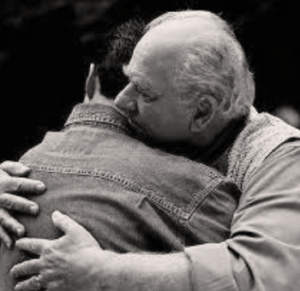 A man’s father came to a swift end. The son didn’t have a lot of time to get his head around the fact that his father was suddenly dying.
 The night before a woman’s death, her daughter-in-law called me and asked if I would come in the morning so we could meet with the hospice nurse together. She was unsure about whether they were handling medications properly for their mother who was in the end stage of terminal illness. The elderly father and mother were very private people who did not want strangers in their home, and waited until just a week before the death to allow hospice care in.
Recent Comments